Bob Dylan, Justin Bieber, Pink Floyd, Michael Jackson, Tina Turner, Katy Perry, Dr. Dre, Justin Timberlake, Bruce Springsteen, KISS, RZA, Britney Spears, Fleetwood Mac, Shakira… Many big names have recently announced the sale of their catalogs for colossal sums. Why do artists sell their music catalogs? How does this process work? And what does it reveal about the cultural landscape and the world of music streaming? We explore all of this in our new blog post!
Estimated reading time: 9 minutes
Key takeaways
- Artists sell their music catalogs to secure immediate financial stability, offset declining streaming income, cover rising touring costs, simplify estate planning, and benefit from favorable tax treatment.
- A music catalog sale can include recording rights, songwriting rights, publishing rights, and even an artist’s name or likeness, with each deal defining how those assets may be commercially exploited.
- Investment funds, publishers, and record labels view music catalogs as valuable long-term assets, generating recurring revenue through royalties, licensing, synchronization deals, and commercial partnerships.
- The growing market for music catalog sales raises concerns about artistic legacy, as new owners could authorize remixes, AI-generated works, or commercial uses that artists might never have approved.
AI-generated summary
Why do artists sell their music catalogs? The context
Music has almost always been as much an artistic endeavor as a business—a business that today generates billions of dollars in revenue. It creates and destroys careers, shapes artistic decisions, widens inequalities, and enables some to build careers and make a living from their passion. The economics of the music industry are complex, involving thousands of intermediaries, and—let’s be honest—are often highly opaque to the public.
Battles are about playlists, tours, streaming figures, media appearances, and more. But there is also a fight over a crucial aspect of an artist’s life: the rights to their catalog.

But what exactly is a catalog? It is a rather complex concept. A catalog represents recorded music. If an owner acquires this music catalog, they can then reshape the songs as they see fit, create remixes, or do whatever else they desire. The music might be altered or exploited in ways far removed from its original conception; it becomes a fluid asset.
Then there is the artist’s name itself. If someone acquires those rights as well, they can go even further.
Lots of different areas
They can exploit the name however they choose—for instance, on clothing or in other promotional ventures. There are also songwriting rights—the rights held by the people who wrote the songs, who are not always the artists themselves. In the event of a catalog sale, they, too, are entitled to payment based on their contribution to the songs.
These concepts are complex and detailed, varying with every deal. Consequently, stating simply that “KISS sold their music catalog” is imprecise.
While partly true, it tells only part of the story. One must delve into the specifics of each deal to understand exactly what the artist no longer owns and how those rights will subsequently be exploited. Yet the result remains the same: many artists—sometimes major names—have decided to sell all or part of their music rights.
What drives these sales? Several factors. However, as artist David Crosby recently stated on his X account, one key factor is the meager compensation streaming platforms offer for songs played on their services.
When combined with the global COVID-19 pandemic—which left many artists financially vulnerable—alongside the increasing difficulty of filling concert venues and the high cost of organizing tours, there is no doubt that a growing number of artists are struggling to make a living from their music.
Selling one’s catalog can therefore be a way to offset these shortfalls.
Behind the deals
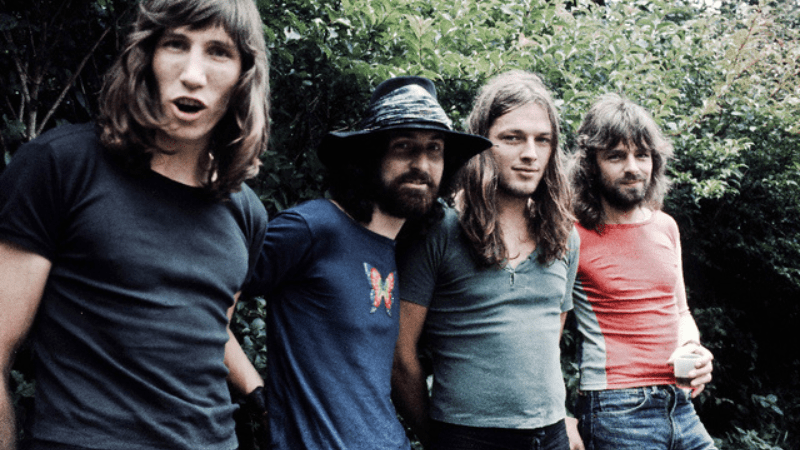
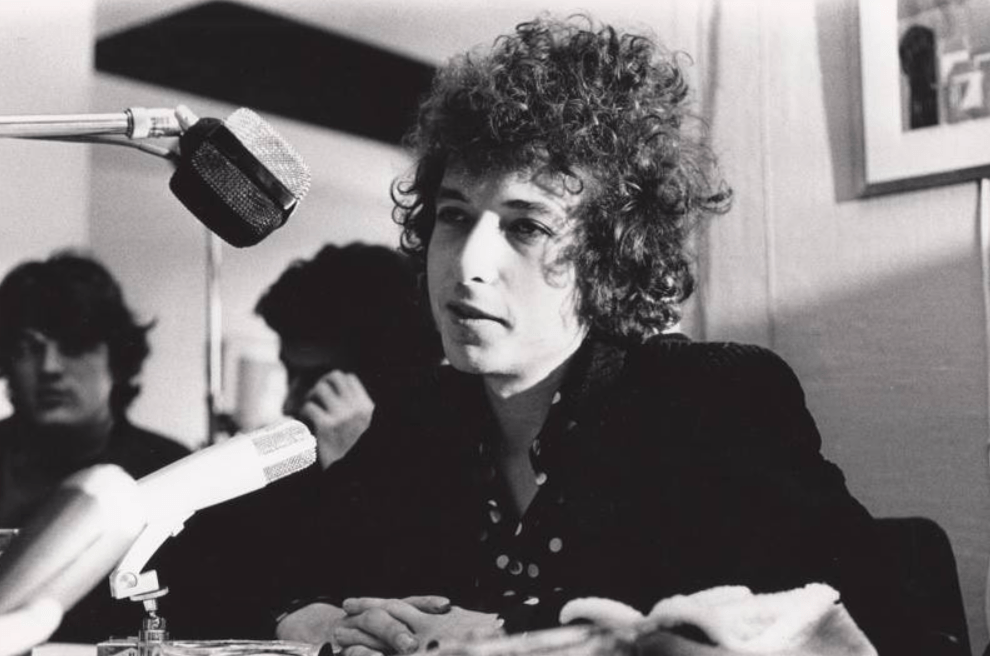
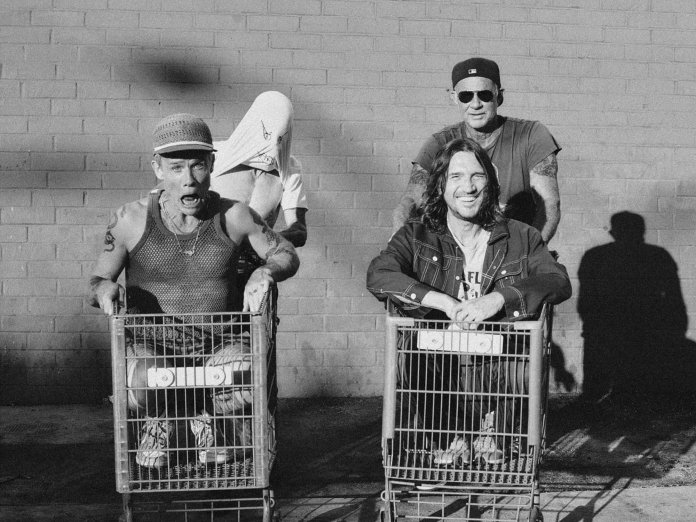
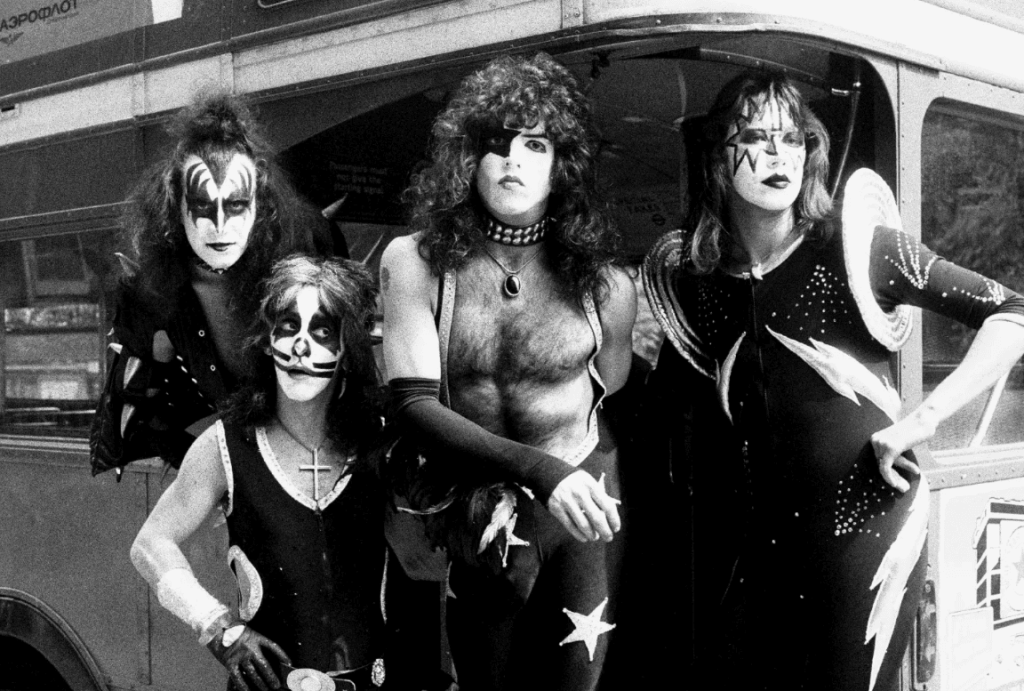
KISS? Around $450 million. Bob Dylan? Between $300 and $400 million. Red Hot Chili Peppers? $140 million. Pink Floyd? $400 million. Paul Simon? $250 million. Bruce Springsteen? $550 million. And the list goes on.
Hundreds of millions of dollars have recently been paid to artists looking to sell their catalogs. The reasons are simple: a massive financial windfall. Streaming is unpredictable; revenue streams are irregular and depend on hundreds of factors—it is not an immediate lump-sum payment.
Getting cash quickly rather than over a period of years is an enticing prospect. Singer T-Pain, who also sold his catalog, put it very clearly:
“The amount of money that they gave me for my catalog, it literally would have taken me a hundred years to make that money […] They gave me 100 years’ worth of money right here, all at once.”
Others—often older artists whose careers are behind them—want to ensure their descendants are financially secure. They prefer to leave a lump sum upon their death rather than smaller amounts spread out over many years. It also allows them to resolve potential issues related to inheritance proceedings preemptively.
Music: a steady source of income
Dolly Parton recently admitted she was considering selling her catalog. She explained why:
“It’s very possible that, for business reasons, estate planning, and family things, I might sell the catalog I have now.”
Then there is the question of taxes. Various media outlets and analysts argue that selling music rights yields more money than if artists had waited to receive the same total amount in royalties while retaining ownership of their catalogs.
Tax authorities do not treat these two types of income the same way. In both the long and short term, the outright sale of a catalog could generate more capital than “traditional” remuneration from streaming and associated rights.
Some artists sell their rights to established publishers, while others sell to investment funds—entities that sometimes operate under vague designations. One such fund, Hipgnosis, has made a specialty of acquiring catalogs in recent years; it has reportedly spent nearly two billion dollars on rights. Record labels are getting involved too, buying up parts of their own artists’ catalogs or acquiring assets from rival labels.
It is a commercial and artistic battleground centered on a “safe-haven” asset: music. Even in uncertain times—even when wars break out across the globe and the future looks clouded—people continue to listen to a great deal of music. Investing in it is a wise move.
These companies can then benefit from rights that would otherwise have gone to the artists or their labels: royalties from the exploitation of songs, commercial deals, licensing for films or series, and other lucrative ventures.
Giving up everything?
The artists no longer own their music catalogs. And this is where it gets interesting. By selling the rights to their catalogs, they forgo the royalties they might have earned on each of the songs they previously owned.
They are, in a sense, giving up any future earnings from their songs. This may seem like a risky move. And it is.
But it’s also a way to secure their future. As we’ve said, the global pandemic has shown just how fragile the music industry is. And with the explosion of streaming and the colossal sums it has generated, receiving royalties on recorded and streamed music is a safe investment for those who buy it. And a solid source of income for those who sell it. So, are investment funds profiting from an unequal industry? It’s actually a win-win situation. Both parties are victorious—one in the long term, the other in the short term.
For the media People, Gene Simmons, from the group KISS, sums up the situation well:
“We’ve all seen boxers and artists who will stay in the ring too long and get knocked out by some amateur. You don’t want to do that, you want to go out on top.”
Cherie Hu, writing for Vice, is concerned about this dispossession of the value of artists’ work, especially since these deals don’t just involve music legends, but also young artists with long careers ahead of them:
“There seems to be a contradiction between this trend and the rising conversation around the importance of ownership […] We spent all this energy telling people that they have to own their masters, that it is so important to own your own work and not have to rely on other people. And then all of a sudden, we’re seeing songs being tossed around like this between financial firms, many of which are not involved in music.”
Why do artists sell their music catalogs? The consequences
Putting a price tag on an artist’s catalog is virtually impossible. There are too many factors and too many variables to consider. Yet, this is precisely what we have been witnessing in recent years. Timing also plays a crucial role: the financial breakdown can vary depending on the artist’s age and career stage. Ultimately, however, the calculation boils down to quantifying artistic material—elements that are, by definition, unquantifiable.
These numerous deals symbolize what the music industry has become: a lucrative business. Companies—sometimes far removed from the music world itself—are buying not so much artistic works as the prospect of financial returns. We are not naive; we do not view the music industry as a utopia devoid of market value.

Yet, these increasingly exorbitant transactions raise questions. How far are we willing to go? And, above all, how will all this music be exploited?
A vicious circle?
In the coming months or years, might we see tracks utilizing the music of Bob Dylan, Pink Floyd, Michael Jackson, and others—tracks the artists themselves would never have approved? Their music could be altered in the process. Their legends and legacies could be affected too, even if they had no hand in creating these new compositions.
With the unstoppable rise of artificial intelligence tools, it is possible that these songs—now controlled by entities other than the artists themselves or their heirs—could serve as the foundation for creating entirely new songs or even artificial artists.

Rod Stewart ultimately decided against selling his catalog to Hipgnosis after realizing the company would not exploit his music in the way he desired. He told Billboard:
“It became abundantly clear … this was not the right company to manage my song catalog, career or legacy.”
A still-rare case, but one that clearly illustrates the challenges and contradictions inherent in the sale of music catalogs.