Is music streaming the big bad wolf? Some artists think so. And they’re acting accordingly. Since the advent of music streaming, many artists have openly opposed the digitalization of music, even becoming symbols of rebellion. The long fight of Neil Young and Björk against music streaming: we’ll tell you the whole story!
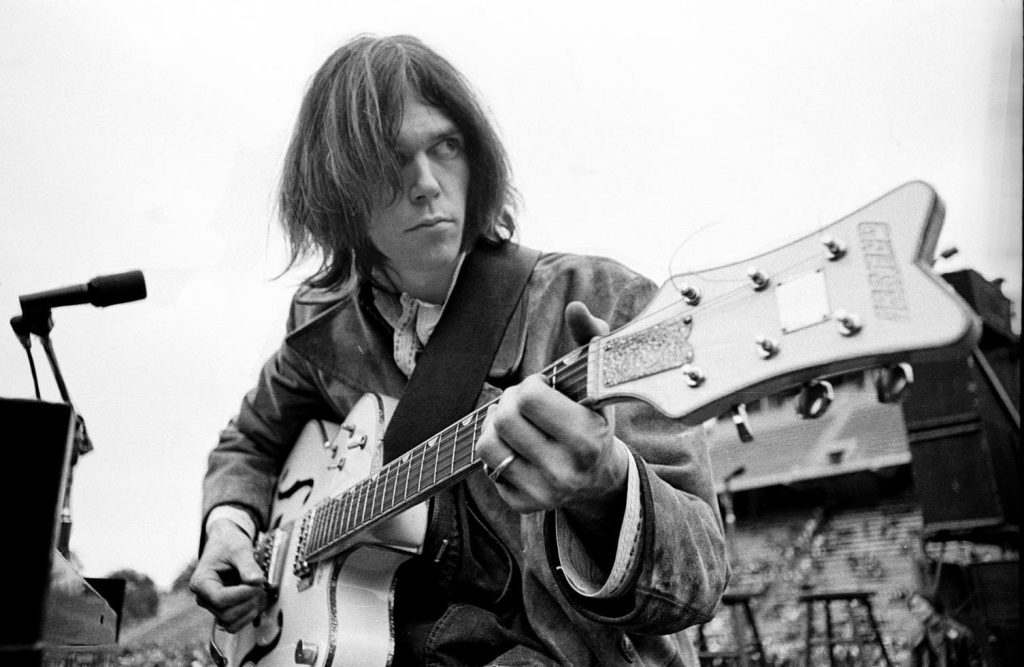
The long fight of Neil Young and Björk against music streaming: the audio quality matters
On July 15, 2015, Neil Young made a significant announcement: he was removing all his albums and songs from streaming platforms. Given the explosion in the use of these listening methods, the decision may have seemed surprising and raised questions. Apple Music and TIDAL had just launched, and there was no doubt that the world of music streaming would continue to grow. For Neil, it was simply a matter of logic and respect for art. In a statement, he offered these arguments:
“It’s about sound quality. I don’t need my music to be devalued by the worst quality in the history of broadcasting or any other form of distribution. I don’t feel right allowing this to be sold to my fans. It’s bad for my music.”
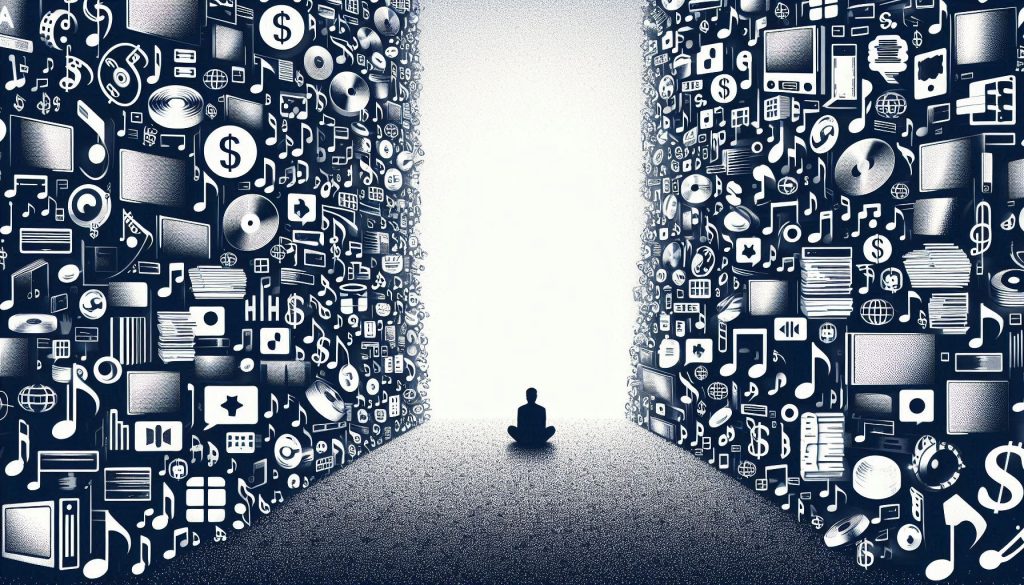
In one of his books, he explains that he’s on a mission to save an art form he’s practiced for 50 years. Quite a feat! He adds that he’s committed to ensuring his music is experienced as intended. But he also says that if audio quality were to improve one day, he might reconsider his decision. In the music industry, where debates over artist compensation are raging, this announcement is sparking widespread discussion.
A voice that matters
Neil Young is a legend of folk music. Author of albums that have become classics, a member of the iconic group Crosby, Stills, Nash & Young, gifted with a unique guitar style and capable of intensely moving lyrics, Neil Young has been an essential figure in American culture since the 1960s. So naturally, when he takes a stand, many listen.
It’s hard, however, not to see it as a marketing ploy. After leaving Spotify over poor audio quality, Neil Young founded Pono, a portable digital music player that lets users download music. Its main selling point? Pono supposedly offers unparalleled audio quality thanks to the FLAC format. A way to put audio back at the heart of the debate and to counter Spotify‘s perceived mediocrity. Neil Young even goes so far as to compare 21st-century music to background noise, lamenting the implications of new consumption patterns. But the Pono adventure came to an abrupt end.
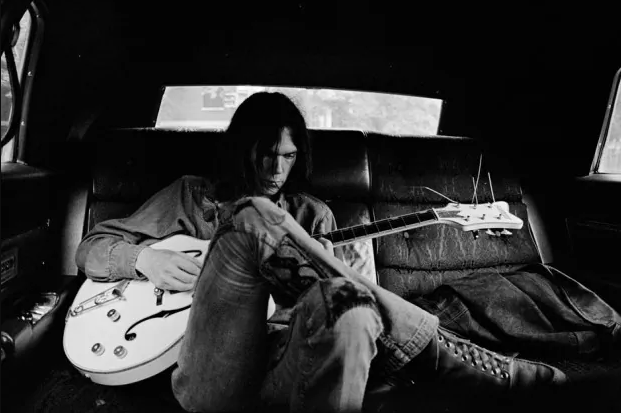
Launched in 2015 following a wildly successful crowdfunding campaign, Pono closed its doors in April 2017. Sold at a high price, around $400, and with limited storage capacity, the Pono Player failed to find its audience and couldn’t establish itself as a credible alternative to streaming platforms. What customers wanted was immediacy: the ability to see everything in one place. Audio quality was important, but less so than having access to the entire world’s recorded music.
Failing
Especially since user feedback was mixed, particularly regarding audio quality compared to iTunes. Industry professionals, while appreciating the emphasis on audio quality, also felt the final product didn’t fully meet expectations. This failure also illustrated the overwhelming power of music streaming, which was then booming, and its ability to gain widespread acceptance.
While in its infancy, with platforms just starting to launch, there was little room for differentiated initiatives. And for years, music streaming swept everything before it. By 2026, the trend is gradually shifting towards the acceptance of alternative consumption methods. But at the time of Pono’s launch, everything was still too new, too revolutionary, for a market eager for discovery.
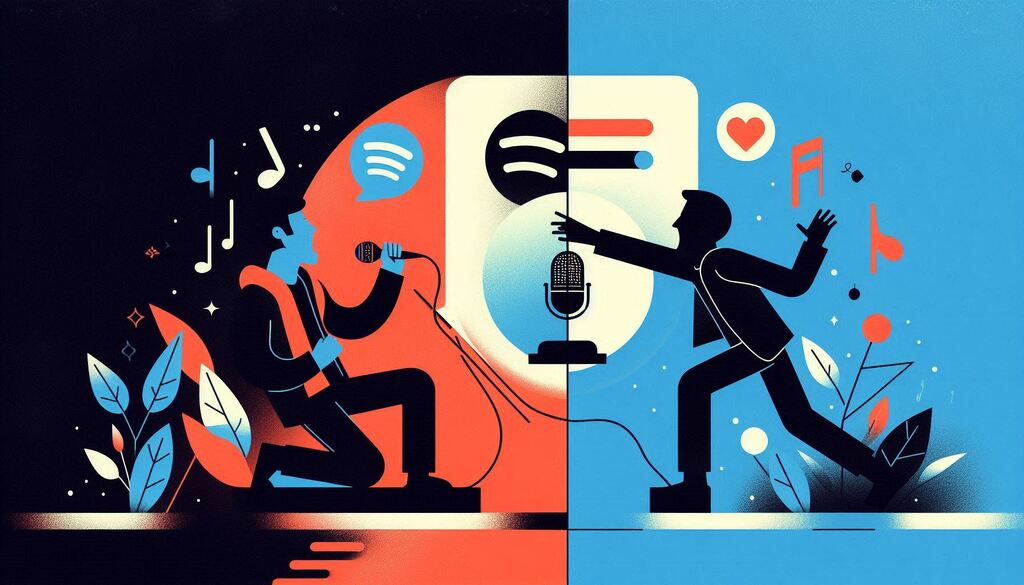
It was a cold shower for Neil Young, who nevertheless didn’t give up his war against music streaming. In October 2025, as all his albums gradually returned to streaming platforms, he encouraged his fans to stop using Amazon Music and threatened to remove his catalog from the service.
He wrote:
“Forget Amazon and Whole Foods. Buy local. Buy direct. Bezos supports this government. It does not support you or me […]The time is here. Forget Amazon. Soon my music will not be there. It is easy to buy local. Support your community. Go to the local store. Don’t go back to big corporations who have sold out America.”
A decision that was as much political as artistic. Three years earlier, it was a societal issue that had prompted Neil Young to remove his catalogue from Spotify once again.
The long fight of Neil Young and Björk against music streaming: the podcast controversy
The highly controversial podcaster Joe Rogan, to the point of making a business out of it, is in Neil Young’s crosshairs. In 2022, at the height of the COVID-19 pandemic, Joe Rogan, in a podcast followed by millions of people, relentlessly spread conspiracy theories and anti-vaccine information.
As in 2015, Neil Young left Spotify, believing that his music shouldn’t be associated with such repugnant information. He also felt that Spotify wasn’t doing enough to restrict the distribution of this type of podcast. According to him, Spotify was “the home of life-threatening Covid misinformation.” He even promoted Amazon Music, encouraging his listeners to subscribe there to make up for his absence on Spotify.
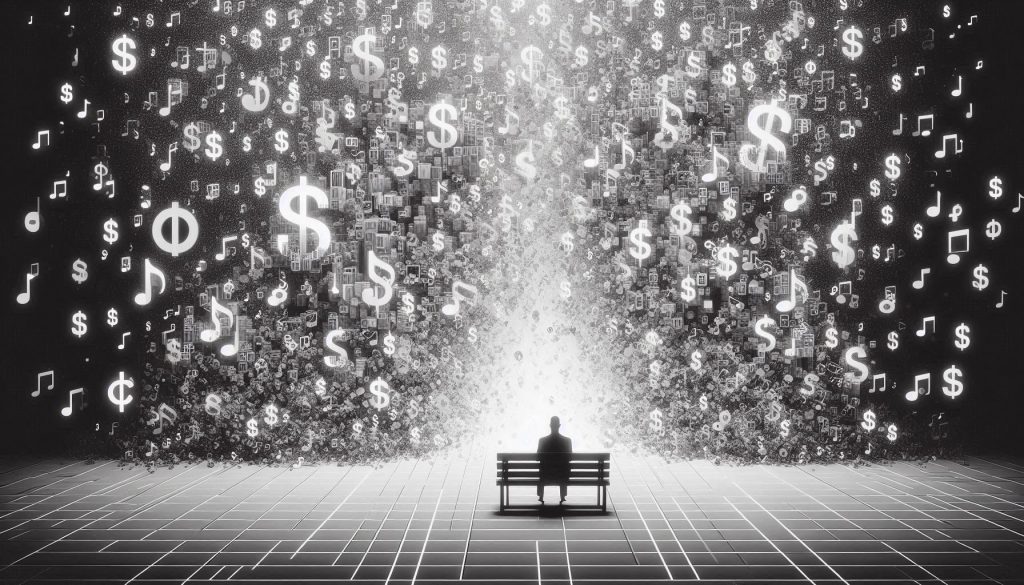
A statement he would surely regret shortly afterward, as we explained above. Joni Mitchell, another American music icon and collaborator with Neil Young, decided to follow suit and remove her music from Spotify, and other artists did the same.
Backpedaling
But Neil Young was forced to move backwards. In 2024, after realizing that Apple Music, YouTube Music, and Amazon Music, where Young’s catalog was still available, were also streaming the same type of content, he concluded that fighting back was futile. It was as if he were surrendering to the overwhelming power of these industry giants. This is undoubtedly what makes the cases surrounding Neil Young so interesting. Even he, even with his legend, his fame, and his influence, even after repeatedly trying to leave the music streaming industry, was forced, if he wanted his fans to continue enjoying his music, to play into the devil’s hands. A form of powerlessness and fatalism.
He explains: “My decision comes as music services Apple and Amazon have started serving the same disinformation podcast features I had opposed at Spotify. […] I cannot just leave Apple and Amazon, like I did Spotify, because my music would have minimal streaming outlet to music lovers at all, so I have returned to Spotify, in sincere hopes that Spotify’s sound quality will improve and people will be able to hear and feel all the music as we made it.”

A deliberate decision, and an undisguised criticism. During his fight against certain music streaming platforms, Neil Young could count on the support of another figure in the music industry: Björk.
The long fight of Neil Young and Björk against music streaming: political views
Björk, the Icelandic music star, has relentlessly criticized the streaming system for years. Her primary targets: the exploitation of artists and the low royalties they receive. Like Neil Young, her voice carries weight. Björk is an international star, an influential figure, and an outspoken artist. In January 2025, her target was Spotify. And she didn’t hold back.
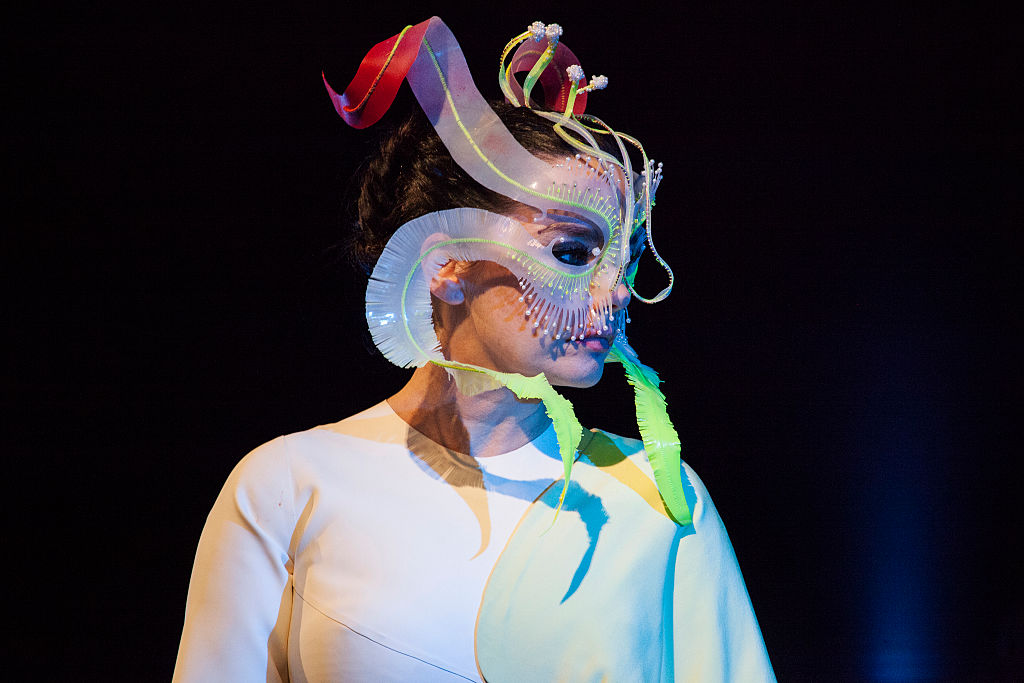
While promoting a concert streamed live on Apple TV, she declared:
“The live part is, and always will be, a big part of what I do. But I’m lucky because I no longer have to raise money on touring, which younger musicians are often forced to do. In that respect, Spotify is probably the worst thing that has happened to musicians. The streaming culture has changed an entire society and an entire generation of artists.”
Ten years earlier, she had refused to release her album Vulnicura on Spotify. At the time, she stated:
“It just seems insane. To work on something for two or three years and then just, ‘Oh, here it is for free.’ It’s not about the money; it’s about respect. Respect for the craft and the amount of work you put into it.”
Against war
In September 2025, she once again spoke out against Spotify. This time, the reason was a political action. She joined, along with four hundred other artists, the No Music for Genocide movement, which called on artists to block their catalogs from being available for streaming in Israel. Amid the ongoing conflict with Palestine, Björk’s activism also drew attention and raised questions about the role of artists in turbulent times.
Do they have the power to change things? Is removing their music from certain streaming platforms or from specific regions an effective way to fight politically and socially? Committed to issues of ecology, equality, and peace, Björk continues to make her voice heard.
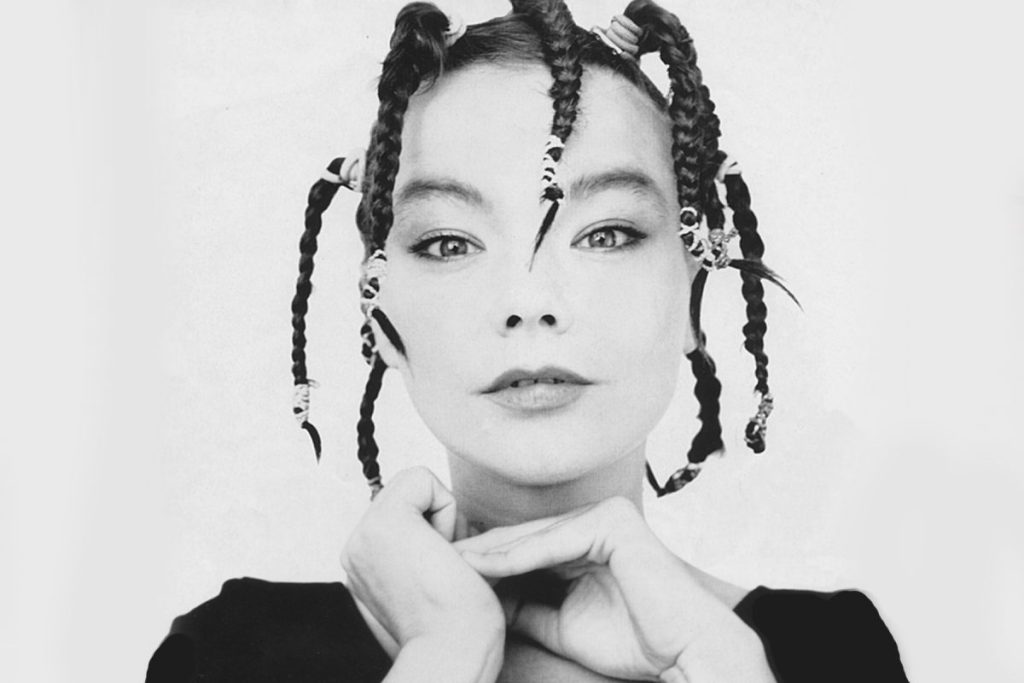
And if many other artists follow the examples of Neil Young and Björk, how far can their actions go?
Will they lead to more transparent and “ethical” platforms? It’s hard to say, but it now seems that the world of music streaming is too big to be effectively and sustainably challenged.
Can I transfer my data to another streaming platform without losing it?
Of course you can! With the Transfer tool developed by Soundiiz, you can switch from one platform to another in just a few minutes, without losing any of your data. Not your playlists, not your favorites, not your liked artists… Nothing!
We create a mirror of your original platform on your destination platform using the songs’ associated metadata. This way, we can efficiently identify them and minimize data loss during the transfer. Our services have been around for many years, and we continually improve our tools to make them as efficient as possible. And embrace the transformations of the music streaming world, which fascinates us!
To test Soundiiz and start transferring your data, click right here!