The streaming industry is constantly looking for ways to reinvent itself and to look ahead. After Artificial Intelligence, emerging markets, and other topics we discussed on our blog, attention is now turning to what are known as “Superfans.” Who are they, and why are we interested in them? Are Superfans the next big revolution in music streaming? Let’s take a closer look!

Are Superfans the next big revolution in music streaming? A bit of context.
The streaming industry is stagnating. It’s growing more slowly than it did a few years ago, when platforms seemed to think the sky was the limit. Revenue streams remain enormous, but with increased competition, they are more evenly distributed. And it’s the artists who suffer, having to share a monstrous slice of the pie with an ever-growing number of people. Crumbs sometimes seem delicious, but more often than not, they’re just that: crumbs.
Especially since many labels, artists, and listeners are advocating for a return to an economy that is more respectful of artists’ rights. Without streaming. Or at least not as dominant as it is today. Coupled with the numerous controversies that have plagued the music streaming industry, it’s clear that new models are needed. Podcasts? Audiobooks? They were essential, but the market is reaching saturation.
Concerts? Spotify tried it out, partnering with BandsInTown, with success. Emerging markets? They represent an undeniable financial and audience boon, but who knows when coverage in these countries will be optimal? The shift towards the audiophile segment? Already underway, in a context where most streaming platforms offer HD music. And the segment remains a niche; not enough to radically revolutionize the game. The change in the revenue model, moving towards an artist-centric system? Already implemented by Deezer, but the results will take some time to materialize.
Experiences
It’s a fact: the industry demands change to continue thriving. Artists themselves see their position increasingly precarious. With low pay-per-stream revenue, incomes are meager. And paradoxically, in this digital age, they find their salvation in physical experiences. The solution lies there: with the fans, with the audience.
Because the public also wants new things. To feel close to their favorite artists. And they’re ready to consume. They’re tired of listening to music only on streaming platforms. They want to attend concerts, wear t-shirts featuring their favorite artist’s image, and buy their CDs and vinyl records. Doing so gives them the feeling of belonging to a group. Of being part of something bigger. And of financially supporting those they want to win.
These listeners are “Superfans.” And they could be the next big thing.
Are Superfans the next big revolution in music streaming? Why do they matter?
First and foremost, let’s define what a Superfan is. According to several studies, it’s someone who, in addition to their music streaming subscription, is willing to spend around $100 on merchandise and concert tickets. In short, someone is willing to pay for a music experience beyond the typical individual listening experience.
Other studies, such as Luminate’s, define Superfans as fans who engage with their favorite artists in at least five ways. The same study estimates that 19% of listeners in North America are Superfans. And where people are willing to pay, there’s money coming in. Superfans are ready to spend a considerable amount on exclusive concerts, somewhat expensive merchandise, and exclusive events before or after the shows: all opportunities reserved for a niche audience, but which, in the long term, represent a significant financial windfall. So much so that in 2024, when presenting its projections for the coming years, Universal Music Group, one of the world’s leading record labels, included Superfans in its development strategy.

UMG believes that this Superfan market, which has been steadily growing for years, can be a source of complementary revenue to the streaming business. In 2023, Goldman Sachs confirmed this trend, estimating the superfan monetization market could reach $4.2 billion, then increasing that figure to $4.5 billion in 2024. They also predict that 60% of this market will be reached by 2030, representing $3.3 billion in untapped revenue. These are staggering figures.
Paying and paying again?
The research institute MIDiA concurs: in 2023, sales of physical music products increased by 4.6%, indicating that fans were willing to pay. This proves that the sector is thriving.
Another study by Vevo Media Tracker shows that being an artist’s fan can have significant economic consequences. In the words of Natasha Potashnik, Head of Data, Research & Measurement at Vevo:
“Fandom today is more than a personal interest, but a cultural signal. It’s how people express who they are, what they stand for, and where they belong. Music videos are at the center of this expression, offering fans a canvas for identity, representation, and connection.”
The major record labels are organizing and equipping themselves to meet this demand. They must follow the trend to avoid being left behind.
At Warner Music Group, for example, everybody is ready to face the challenge, according to their CEO, Robert Kyncl:
“Both artists and superfans want deeper relationships, and it’s an area that’s relatively untapped and under-monetized. The good news is that we already have initiatives in flight against most of these areas, and specific projects with momentum behind them.”
In Asia, within the K-pop genre, these experiences with superfans have become the norm. Whether it’s photo exhibitions, collaborations with local businesses, exclusive meet-and-greets, or limited-edition merchandise, K-pop artists forge strong bonds with their most loyal fans and sell their products, generating word-of-mouth, all while stepping outside the digital realm that streaming music has confined them to.
Around the world, these experiences are multiplying: intimate concerts are being organized outside of major venues, and platforms themselves, as Spotify did with Taylor Swift, are offering immersive listening experiences and exhibitions.
Are Superfans the next big revolution in music streaming? Consequences.
The calculation is simple: for an artist, it’s better to have a small number of Superfans than a large number of fans who pay only for a streaming platform subscription to listen to their music.
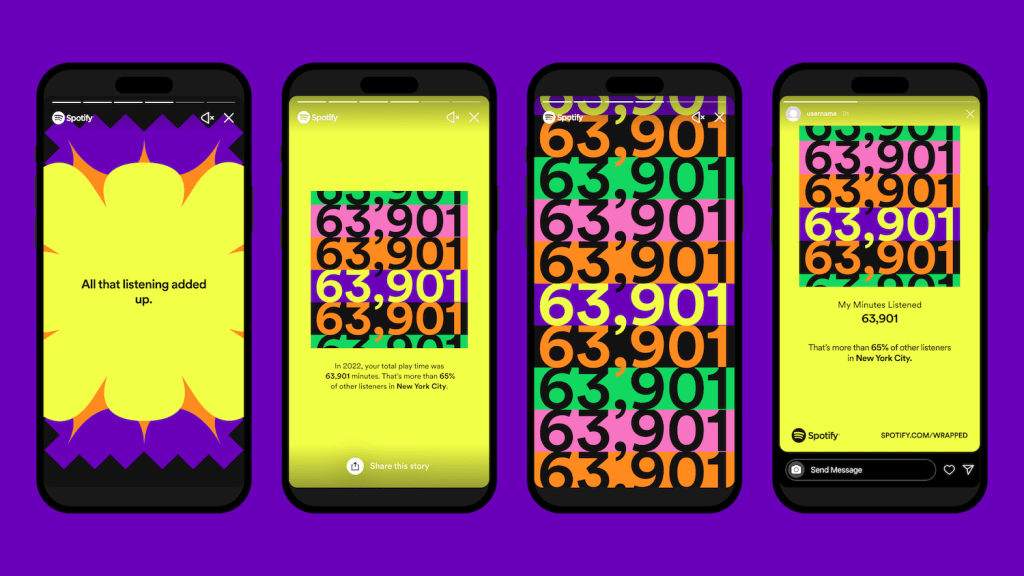
This is the logic of the niche market. In an overproduction, abundance context, focusing on only a small number of listeners is a risky strategy, but one that can pay off in the long run—engagement rather than exposure.
Streaming platforms, like record labels, were quick to react and announce the development of “Superfan” versions of their apps. Spotify’s announcement in early 2025 caused significant interest, but it has yet to materialize. Apple Music and Amazon Music are also expected to offer “Super” versions of their services, but it’s unclear what these will look like. Spotify’s Music Pro version has been under discussion since 2023. This year, Spotify revealed it might arrive by the end of 2025. But nothing has materialized. Instead, Spotify offered a long-awaited option to listen to its songs in HD. This was implemented at no extra cost. Does this mean Spotify’s Superfan version has been postponed or canceled?
Switching gears
Even if everything looks promising, isn’t it counterproductive to position yourself in this market that depends on Superfans’ purchasing power? Goldman Sachs has estimated the value of this segment, but isn’t that a bit illusory? Concert ticket prices continue to rise, and many countries worldwide are seeing their populations’ purchasing power decline amid soaring energy and food prices. In a complex economic climate, where geopolitical instability weighs heavily on purchasing decisions, it’s difficult to rely on Superfans who are already affected by price hikes across the board.
Segmenting users by engagement level seems even more challenging. What features can be offered to those willing to pay more than others? What would justify this price increase? And how can they be managed? The staffing, technical, and infrastructure requirements appear enormous. Is it worth it?
Despite these questions, the music industry seems ready to test this segment and is increasingly interested in it. Will this change the music streaming landscape? Time will tell, but one thing is clear: after years of digital boom, it’s time to prioritize in-person experiences and purchases.
Superfans have arrived, and they’re here to stay!