COLORS: six letters that have become iconic in the music world. Six letters and one concept—minimalist, simple, and effective. Instantly recognizable and copied countless times. In just a few years, COLORS established a new model and showed that music discovery and curation still had plenty of life left in them. It became an essential platform with a colossal impact on music streaming. Here’s the story of COLORS, the music media that changed everything.
Estimated reading time: 11 minutes
The story of COLORS, the music media that changed everything – Humble beginnings
In a saturated media landscape, launching new initiatives is increasingly difficult. This is especially true without a network, a solid business model, and with passion as the sole driving force.
When Philipp Starcke and Felix Glasmeyer founded their media outlet, they faced this harsh reality head-on. They had plenty of ideas—dozens, in fact. They had passion to spare, perhaps even too much. But would that be enough? It was far from certain.
In 2016, Philipp Starcke was in a difficult situation. A dead end. He had just lost his job in advertising and couldn’t find any promising prospects. In Hamburg, Germany, where the COLORS story began, Philipp was going in circles. And after asking himself countless questions, he became certain of one thing: he wanted to reconnect with what moved him, what motivated him, and what truly captivated him—music.
Philipp isn’t your average music lover or casual listener. What drives him is discovery: albums, artists. He can spend countless hours in front of his computer, on YouTube or elsewhere, searching for new gems, the ones that will sweep him off his feet. But he has to admit: there are few ways to discover new artists. Music media and newspapers have lost their luster; some publications have been forced to cease publication. Blogs, popular in the early 2010s, have lost their appeal and influence.
What works in 2016, as music streaming continues to revolutionize the industry, is playlists. Generated by algorithms and based on individual tastes. There’s no human touch behind these playlists. And above all, there’s little new material, not many artists with just a few dozen streams, but mainly names that are already more or less established. Philipp isn’t satisfied.
Building
He tells himself there aren’t enough media outlets. Almost no one is acting as a bridge anymore. And that has to change. So Philipp decides to set up his own organization, focused on discovering new talent. But he has to face the facts: he needs support to do this. First and foremost, he needs someone skilled in design and graphic arts. We live in the age of the internet and images: it’s unthinkable to launch anything without a solid artistic foundation and distinctive perspectives.
That’s where Felix Glasmeyer comes in. Felix is a fashion photographer, and he brings to Philipp the visual passion he lacked. But the two colleagues still need one more skill.

They need someone who can navigate the inner workings of the music industry and whom they can rely on. The music world is competitive and ruthless. You have to understand their rules, know how to break free from them, and cultivate relationships with record labels. In 2018, two years after the launch of COLORS, Philipp Jonas Weber, who had worked at Universal for 7 years, joined the venture.
Philipp is ambitious: he knows that YouTube is now an essential platform for discovering emerging artists, which is his primary focus. But he is also aware that internet users are overwhelmed by hours and hours of content, making it difficult to stand out.
But with an aesthetics expert by his side and a core belief in his mission (connecting people, countries, and cultures on a creative and emotional level), he feels confident in his abilities.
All that remains is to officially launch the media outlet. But as with many entrepreneurial ventures, things won’t go exactly as planned.
The story of COLORS, the music media that changed everything – First struggles
Philipp takes stock of his savings and… they’re meager. But he has enough to rent a small studio in Berlin, a more dynamic city than Hamburg. The apartment isn’t exactly luxurious. The walls are in bad shape; according to a Time Magazine article, insects have taken up residence, and the whole place doesn’t look like it’s been refreshed in years. No matter: Philipp and Felix have enough space to realize their vision.
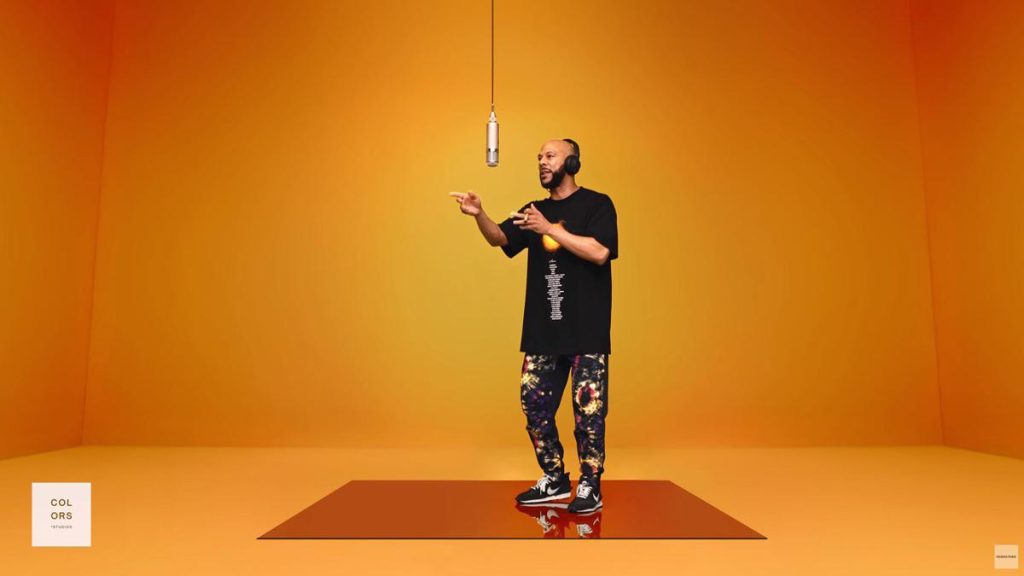
They want to showcase unknown artists in a simple and minimalist setting. In the background: a unified color. And in front of their faces, a microphone that seems to hang from the ceiling. No visual gimmicks, no ambitious editing: the music, the artist, their voice, an instrumental track, and nothing else. They want their viewers to focus on the music, even when the image sometimes seems to matter more than the sounds themselves.
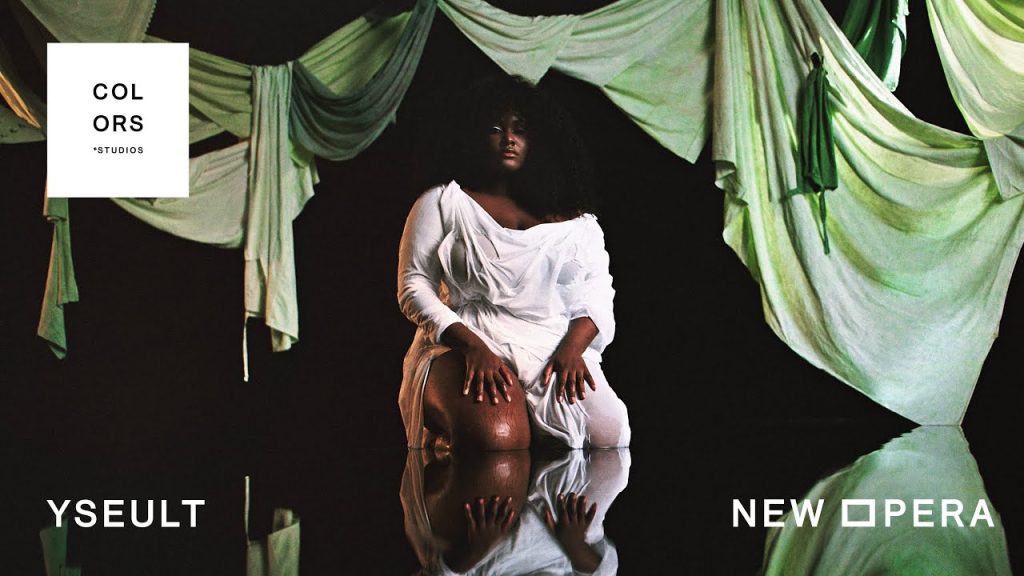
To create the colored backgrounds they wanted to change for each video, there was no way to do it digitally; they painted their sets by hand. And on February 19, 2016, COLORS officially launched. But it’s worth noting that Felix Glasmeyer hadn’t yet joined Philipp and Felix. This made it difficult for them to contact and attract artists.
Furthermore, the sound quality was quite poor on their initial content, and the studio didn’t give the impression of a media outlet making money.
Building!
COLORS’ first guests were, therefore, acquaintances and friends. The whole thing had an amateurish feel, and few artists were willing to dedicate time to such an innovative, almost strange concept, one that exuded a sense of craftsmanship. The views didn’t rise; everything seemed to stay the same for a few months. But Philipp and Felix weren’t discouraged.
They firmly believed in their concept and knew it could stand the test of time. Ideas that break with the status quo take time to develop, and you have to keep pushing until the path forward becomes clear. Their efforts paid off, as views increased with each video and the sound quality and mix improved.
In industry circles, whispers spread that COLORS was making waves, and labels and artists were taking a closer look. For Philipp and Felix, however, sacrificing their concept was out of the question: they were betting everything on aesthetics and imagery, which they wanted to be distinctive.

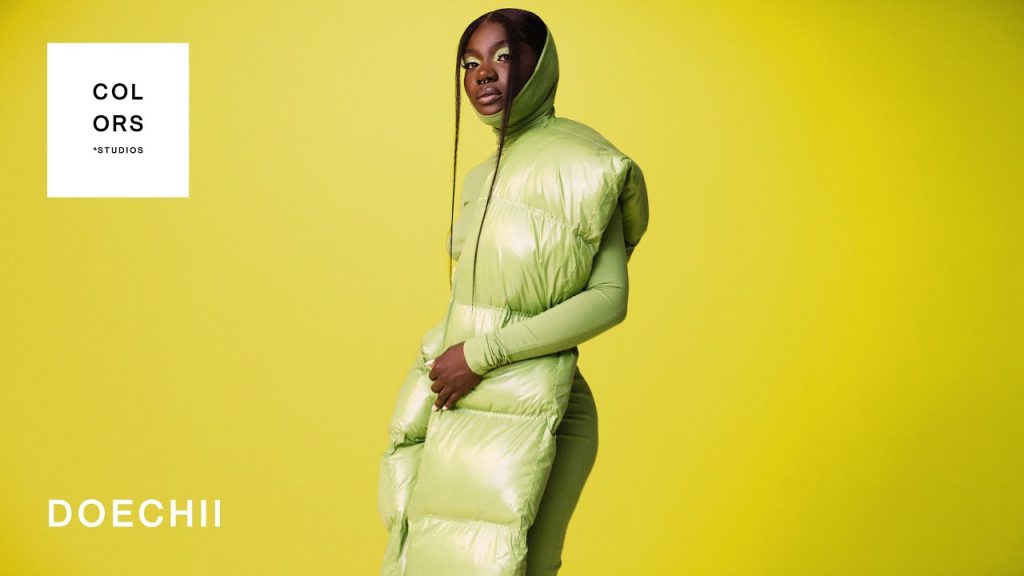
The background colors are chosen to reflect the song and the artist. Nothing is left to chance. And that’s what captivates the audience. Watching an episode of COLORS is like immersing yourself in an experience. Something mesmerizing and profoundly different.
This is no coincidence: the style of COLORS videos encourages sharing, creating beautiful thumbnails and visuals that artists and the COLORS community easily highlight. Some of the artists’ clothing or styles even contribute to the content’s success: Rema, a Nigerian artist, went viral performing with a teddy bear in his arms, and Ballaké Sissoko, a kora player from Mali, was dressed by a Malian stylist.
It’s no longer just about the music; it’s also about visuals and aesthetics, without sacrificing the sounds or the artists’ messages. COLORS remains true to its guiding principle: discovering artists without compromising their identity.
The story of COLORS, the music media that changed everything – Discovering more and more
Over the years, and as successes piled up, COLORS became a launching pad for up-and-coming artists. Appearing in a COLORS issue can literally change a career trajectory and provide massive exposure.
To identify future talent, COLORS relies on the expertise of several artist scouts who scour the web for videos, articles, and interviews. Located around the world, they are guided by COLORS’ standards and operate completely independently of record labels. They don’t hesitate—and this is one of COLORS’ greatest strengths—to invest in artists who don’t sing or rap in English. For example, activist artists from Sudan, to whom COLORS gives a platform to express themselves.
It has often been said that COLORS operates on record-label money. That’s false: to be considered by the media outlet’s team, all you need to do is fill out a questionnaire, available on the COLORS website, which the team will then review. If they deem the artistic proposal meets the media outlet’s requirements, a connection may be made.
Otherwise, all that remains is to hope to be contacted by COLORS’ talent scouts who, whenever they believe a profile could fit the organization’s DNA, submit their choice to a committee responsible for validating the selection.
The Rise of Billie Eilish
Since 2016, many artists have experienced a surge in popularity after a performance on COLORS. So much so that the media outlet has become an essential step in album promotion.
The most striking example is undoubtedly that of Billie Eilish. When she showed up at the studio, the future pop superstar was only 15 years old. Accompanied by her parents during her first recording session, she was surprised to see how small the studio was. Initially intimidated, she eventually felt at ease. And her video ended up accumulating millions of views, giving her career a considerable boost.

This is also one of COLORS’ strengths: the performances captured by their camera are sometimes different from the studio versions. They are often more acoustic, more minimalist, with different vocal nuances. COLORS videos are rarely copies of album formats. If COLORS works so well, it’s because the format is unique and intimate.
The story of COLORS, the music media that changed everything – COLORS’ Business Model
Finding information about COLORS’ business model is difficult, if not impossible. In recent years, they have significantly increased their social commitments through performances, articles, workshops, merchandise, and concerts.
To support the LGBTQIA+ community, foster emerging talent from the African continent—whose artists are often under-exposed and lack resources compared to their European or American counterparts—and encourage independent artistic creation, COLORS spares no expense. They have thus succeeded in extending their reach beyond YouTube by taking action on the ground.
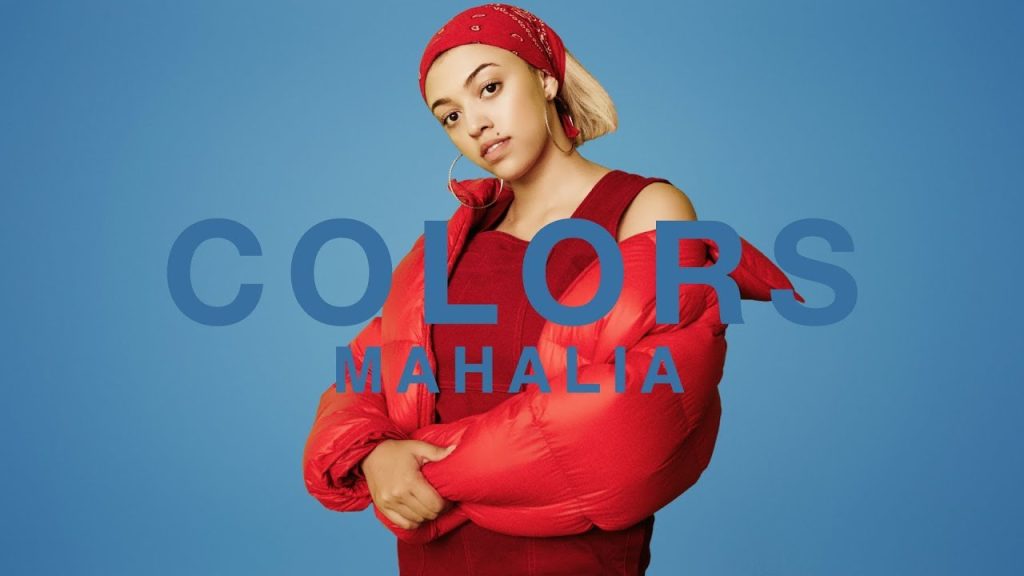
They earn money through advertising on their YouTube videos and through partnerships with brands like Adidas. Some artists have even performed on COLORS wearing the latest Adidas football jersey designs. This is a rather discreet way to advertise and boost the media outlet’s revenue.
They are also investing in the fashion industry, releasing a sneaker on the New Balance website in 2021 and launching their own clothing and accessories brand. The designs are simple and clean, in keeping with the chain’s visual identity. They are also releasing a photo book, featuring exclusive photos, to celebrate the media’s fifth anniversary.
Jonas to the rescue!
The shift from a relatively low-profit model to something more business-oriented occurred with the arrival of Jonas Weber, mentioned below, a former Universal Music executive who also worked at ThirdCulture, a German-American investment fund.
He joined as creative director and took COLORS to another level, while Philipp Starcke and Felix Glasmeyer, the two founders, remain in charge of the creative and aesthetic aspects. Since its inception, COLORS, the music media that changed everything, has seen many formats try to replicate some of its ideas. But none have yet managed to reproduce its aura and impact.
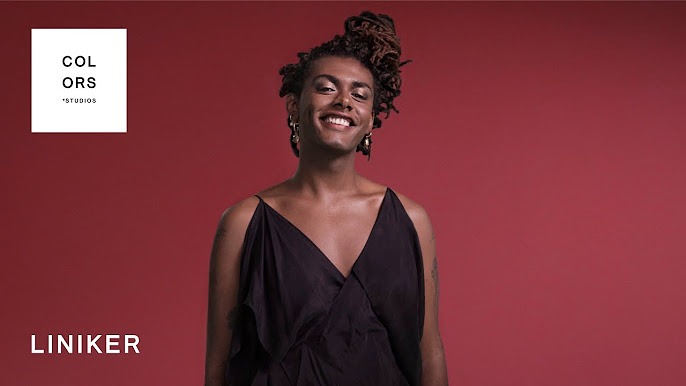
While the concept may seem slightly less impactful than in its heyday, each COLORS episode is still scrutinized and analyzed. It often reveals trends that will soon take off, and the COLORS team continues to demonstrate an undeniable talent for discovering artists poised to reach the top.
In its 10 years of existence, COLORS has changed how artists are discovered. The platform has evolved considerably and now boasts nearly twenty employees and a rather luxurious studio in the heart of Berlin. Being featured in a COLORS episode is now a mark of quality and elegance.
And we at Soundiiz are big fans of the format! Aren’t you?